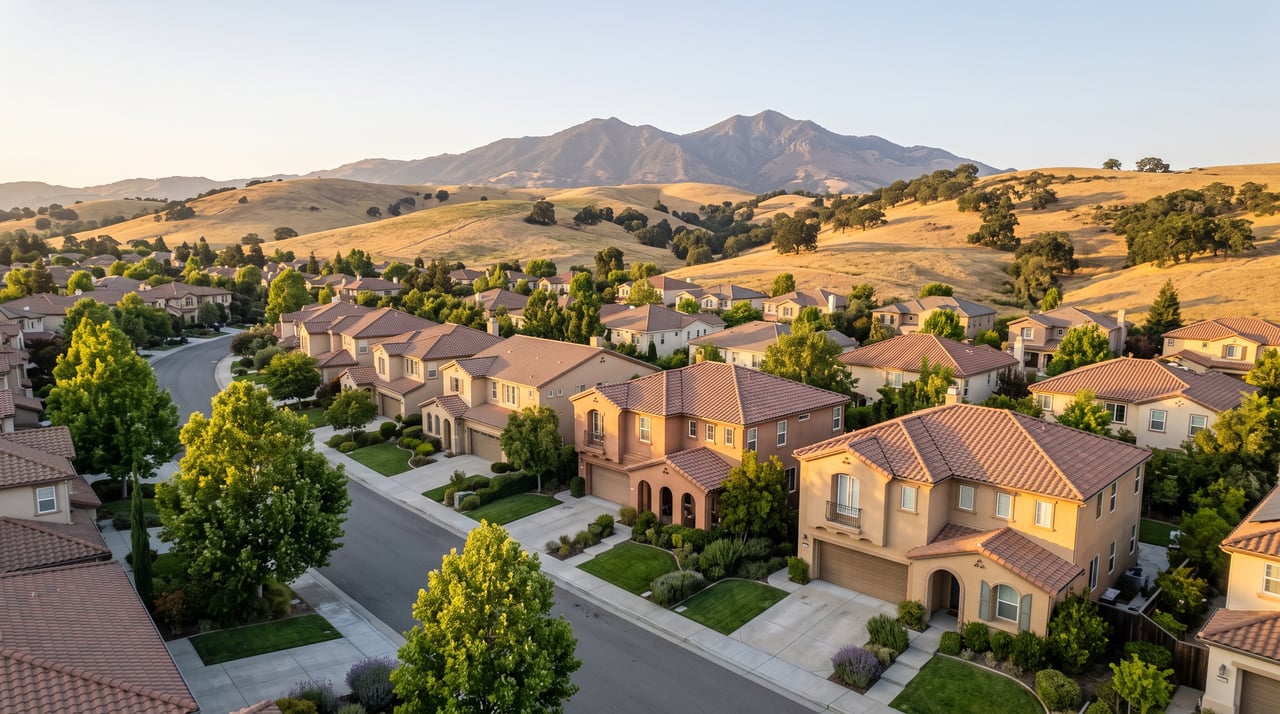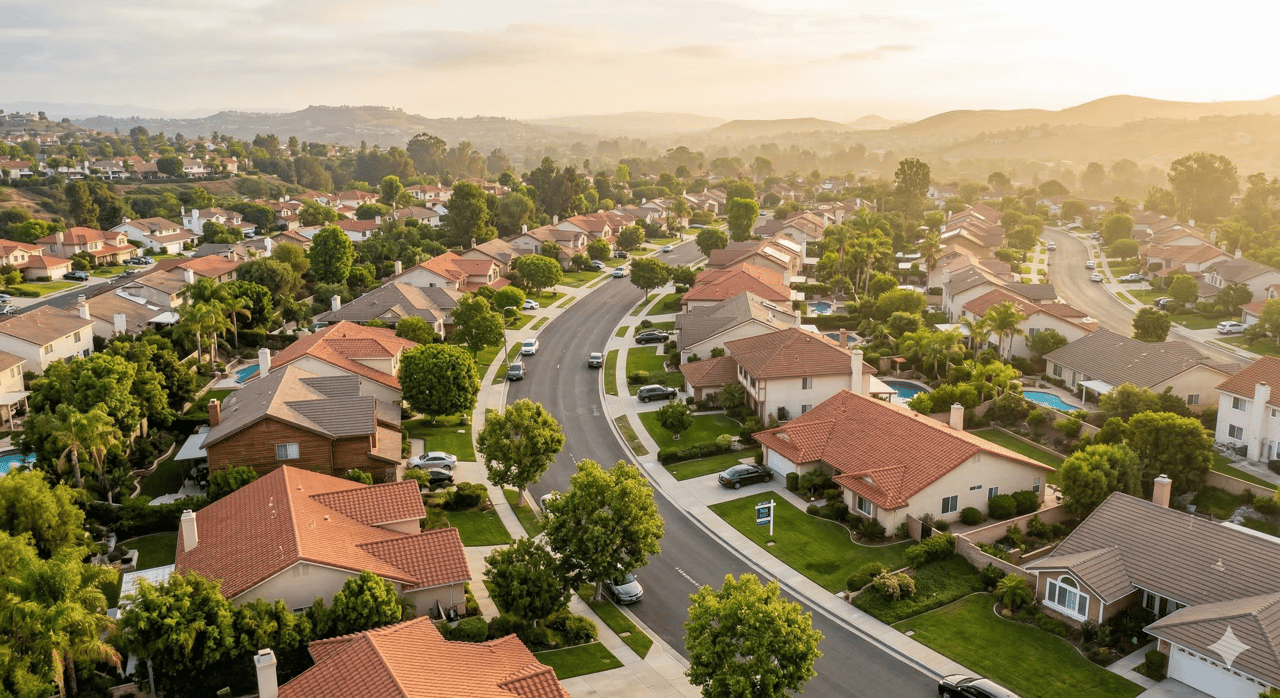
If you've been watching the Brentwood market and wondering whether it feels different than a year or two ago, the short answer is: it does, and the numbers back that up.
Here's a grounded look at where things stand through mid-March, with some context for what's likely ahead.
The Numbers at a Glance
Through the first eleven weeks of 2026, the Brentwood market has recorded 52 closed sales — a pace of roughly 20 transactions per month. The median sale price sits at $887,500, with the broader range running from the high $700s up through $2 million for larger properties.
Active inventory currently stands at approximately 119 homes, with another 70 under contract and pending. That translates to roughly 5.8 months of supply — a figure worth paying attention to. Historically, six months of inventory marks the dividing line between a seller's market and a buyer's market. We're right on that threshold, and trending toward balance.
Days on market tell a similar story. The median time to contract is 34 days, but that figure is pulled downward by a subset of well-priced homes that moved quickly. The average — 51 days — is probably a more honest representation of what most sellers are experiencing. Roughly one in four homes went under contract within two weeks. The other three had to wait.
What Buyers Are Actually Doing
One of the most telling data points right now isn't the median price — it's the list-to-sale ratio, and specifically where homes are ending up relative to where they started.
The average home sold at 99.4% of its final list price. That sounds close to asking. But when you look at original list price compared to sale price, the average drops to 97.8%. That gap represents price reductions — homes that entered the market at one price point, didn't move, and had to be repositioned before attracting an offer.
More directly: 52% of homes that sold in Q1 closed below their final list price. Buyers are negotiating, and they're winning a majority of those negotiations.
This isn't a distressed market — prices aren't collapsing. But buyers are patient, comparison-shopping carefully, and generally unwilling to pay for optimistic pricing. The homes that sold fastest and closest to list were the ones that came in correctly positioned from day one.
The $1M+ Segment: Thin Inventory, Measured Demand
The upper end of the Brentwood market — homes priced above $1 million — has seen 14 closed sales so far this year, representing about 27% of all transactions. That's actually a meaningful share of activity.
What's notable is how little active inventory exists at this price point relative to the interest. Large, newer construction homes in the $1.1M–$1.5M range simply haven't come to market in volume yet this spring. When they have, the well-priced ones have moved. But sellers who tested the market at aspirational prices found buyers unwilling to follow.
If you own a larger home in Brentwood and have been on the fence about listing, the lack of competing inventory at your price point may represent a real window — assuming you price with the current market, not the one from 18 months ago.
The 55+ Communities: Two Very Different Stories
Brentwood's age-restricted communities deserve their own mention because they're behaving differently from the broader market.
Summerset — the established 55+ community with homes primarily built in the late 1990s and early 2000s — has been moving reasonably well relative to its price point. Buyers in that segment appear engaged, and correctly priced homes are finding traction.
Trilogy at The Vineyards, the newer 55+ community, is a different picture. Activity has been notably slower, and homes there are facing more buyer hesitation and price pressure. If you own in Trilogy and are considering a move, pricing strategy and timing require particular care in this environment.
What's on the Horizon — and What's Complicating It
Spring is historically when the Brentwood market finds its momentum. More inventory comes online, more buyers get serious, and the pace picks up from the slower winter months. There's reason to expect that pattern will hold this year.
At the same time, there are headwinds that weren't on the radar a few weeks ago. Oil prices pushing toward $100 a barrel, renewed uncertainty in the Middle East, and the broader cost-of-living pressures those bring are real factors in buyer confidence and purchasing power. It's too early to quantify the impact on our local market — but it's not something to ignore.
My honest read: the spring market is likely to bring more activity, but not the kind of urgency that forgets about price. Buyers who have been waiting are watching carefully, and they'll engage — on homes that make sense to them.
What This Means If You're Thinking About a Move
For sellers: The market is workable, but it will not paper over a pricing mistake. Homes that come in correctly positioned are still transacting. Homes that test the market are sitting — and sitting long enough to carry a narrative into any eventual negotiation. If you're planning to list this spring, the conversation about price strategy matters more than it did two years ago.
For buyers: You have more options and more leverage than the market offered in 2022 or 2023. That doesn't mean everything is negotiable — well-priced homes are still attracting multiple offers. But the days of waiving everything and hoping for the best are largely behind us. You can take a thoughtful approach.
Have questions about what this market means for your specific situation — whether you're thinking about selling, buying, or just want to understand where your home's value stands today? I'm happy to have that conversation.
Schedule a no-pressure strategy call or reach me directly at (925) 487-3172.
About the Author
Tom Schieber is a Broker Associate and REALTOR® with more than 20 years of experience, 500+ closed transactions, and more than $425 million in sales across Brentwood and East Contra Costa County. Licensed in California (DRE# 01404116) and affiliated with eXp Realty of California, he specializes in helping buyers and sellers make informed, confident decisions during life transitions — with honest, neighborhood-specific guidance that goes beyond what the data alone can tell you.