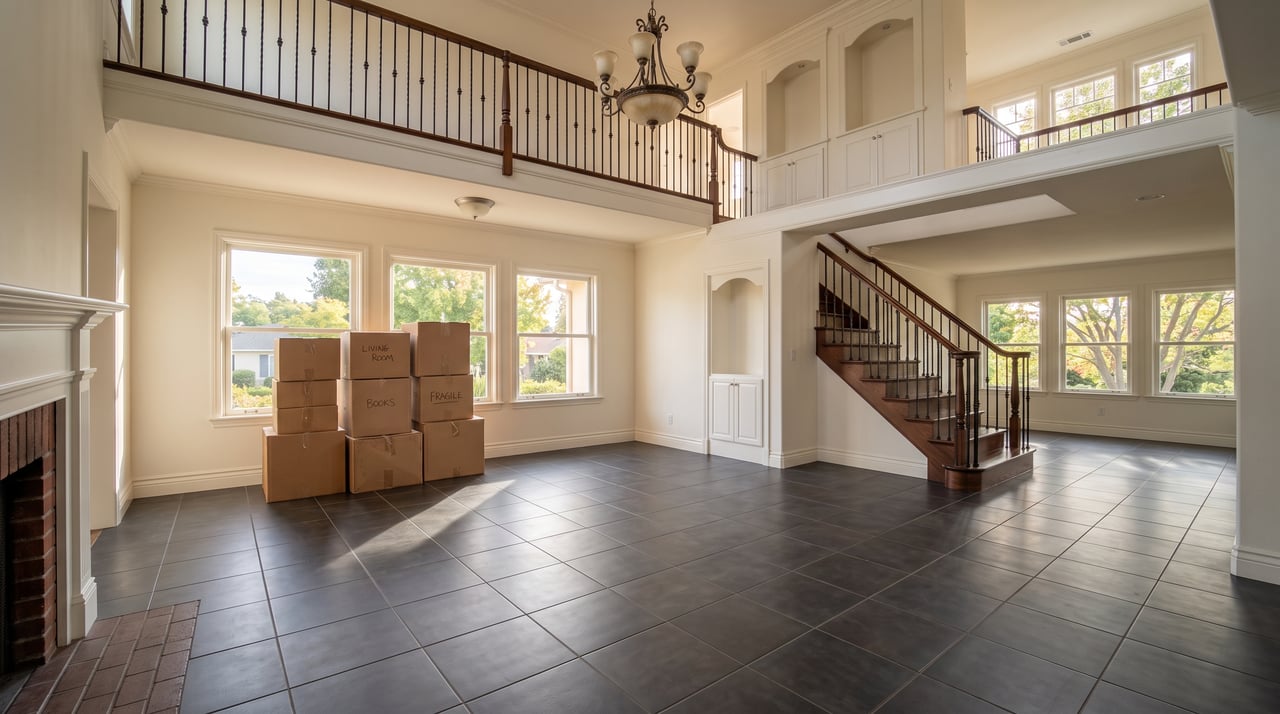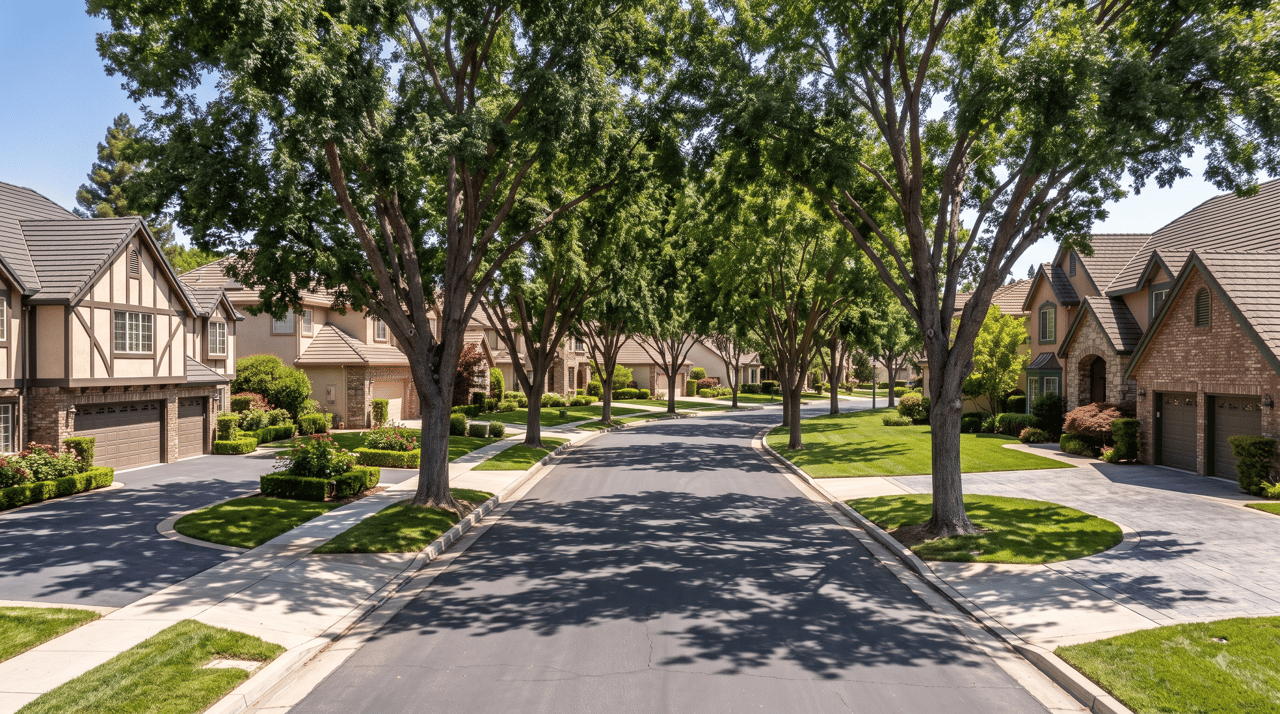
I sat down last week with a couple who have been living in Brentwood for years and have decided it's time for a change. Montana has been calling them — the mountains, the pace, the space — and they're ready to answer. They own a well-maintained home here with meaningful equity, they're not in a rush, but they're also not getting any younger and they want to do this right.
The conversation we had isn't unique. I have versions of it regularly with Brentwood homeowners who are thinking about leaving the Bay Area entirely — heading to Idaho, Nevada, Arizona, the Pacific Northwest, or somewhere rural and wide open that feels nothing like the suburban East Bay. The destination changes. The strategic challenge is almost always the same.
How do you sell a home you're living in, in one market, and buy a replacement home in a different market — simultaneously — without ending up homeless, broke, or both?
The answer isn't one-size-fits-all. But there is a real framework, and understanding it before you start makes an enormous difference in how the whole thing unfolds.
Start With the Destination, Not the Sale
This is the mistake I see most often: people focus on their Brentwood home first — what it's worth, when to list, how to prepare it — before they've done the work to understand the market they're moving into.
That's backwards.
Before you make a single decision about your Brentwood sale strategy, you need to know what you're moving toward. That means actually going to your destination market — not just scrolling Zillow from your couch — and answering a few critical questions:
Which specific towns or areas feel right for your life? Montana, for example, is a large and varied state. Bozeman is a competitive, fast-moving market with prices that might surprise you. Missoula has a different character and a different price point. Smaller towns offer space and value but different tradeoffs around amenities and services. The answer to "where in Montana" shapes everything.
How competitive is that market? Are homes selling in days with multiple offers, or are they sitting for weeks with room to negotiate? This single variable determines which of the three strategies below is available to you — and which is likely to actually work.
What does your budget actually buy there? Get pre-approved based on the equity you expect to pull from your Brentwood sale, your desired monthly payment, and realistic estimates for taxes, insurance, and current interest rates in that market. Know your number before you fall in love with a property that's outside it.
Only once you have honest answers to those questions should you turn your attention back to Brentwood and start designing your sale strategy.
The Three Ways to Make This Move
There is no universally correct approach. The right strategy depends on the competitiveness of your destination market, your personal risk tolerance, and how much control you need over the timeline. Here are the three frameworks I walk clients through.
Option 1: Buy First with a Sale Contingency
In this approach, you make an offer on your replacement home contingent on the sale of your Brentwood property. You don't need to have sold — or even listed — before you're under contract in your destination market.
This works best when the destination market is not highly competitive. If homes in your target area are sitting on the market for 30, 60, or 90 days, sellers there have reason to accept a contingent offer from a qualified buyer — especially if you've done the preparation work in advance and can demonstrate that your Brentwood home will list quickly once you're under contract.
The preparation piece is critical here. Before you make any offers in Montana or anywhere else, your Brentwood home should be photo-ready, priced, and staged — or at minimum have a clear, executable staging and launch plan in place. The faster you can get it to market after going under contract on the replacement property, the more credible your contingency becomes.
The advantage of this approach is control. You don't sell until you've secured somewhere to go. For clients who find uncertainty genuinely stressful — and many do — this is the option that lets them sleep at night.
The tradeoff is competitiveness. A contingent offer is a weaker offer. In a market where sellers have options, they'll frequently choose a non-contingent buyer over you even at a slightly lower price. If your destination market is active, this strategy may not be viable.
Option 2: Sell First with a Replacement Home Contingency
This is what I sometimes call the "backwards contingency" — and it's less commonly used but worth understanding.
In this approach, you list and market your Brentwood home aggressively, but any accepted offer is made contingent on your ability to secure a replacement home. You're essentially telling the Brentwood buyer: "You can have this home, but I need a defined window to get into contract on my next one first."
In practice, this typically means giving yourself 17 to 21 days after accepting an offer to get under contract in your destination market. If you can't make that happen, the Brentwood contract unwinds and the buyer moves on.
The advantage is that you get to test the Brentwood market and understand your real sale price and terms before committing to anything in Montana. You're not selling blind.
The disadvantage is that this contingency makes your Brentwood listing less attractive to buyers. Some won't wait. Others will use the contingency as leverage to negotiate a lower price or better terms. It narrows your buyer pool and can affect your outcome here.
It's a legitimate tool in the right circumstances — particularly when the Brentwood market is slow enough that buyers are willing to be patient. In a faster market, it's harder to execute.
Option 3: Sell First, Then Rent Back
This is the most common strategy I use with clients making this kind of move, and in most market conditions it produces the best overall outcome.
Here's how it works: you sell your Brentwood home aggressively and without contingencies, negotiate a rent-back agreement that keeps you in the home for up to 29 days after closing, and use that window — combined with the typical 30-day escrow — to get into contract and close on your replacement property.
A standard 30-day escrow plus a 29-day rent-back gives you roughly 60 days from the time you accept a Brentwood offer to the time you need to be out. In most cases, that's enough runway to find, negotiate, and close on a replacement home — particularly if you've done your destination market homework in advance.
The strategic power of this approach is that it makes you a non-contingent buyer in your destination market. You're not asking a Montana seller to wait for your Brentwood home to sell. You've already sold. Your equity is confirmed. You're a clean, qualified, motivated buyer — and in any competitive market, that matters.
The risk is the gap. If your replacement purchase takes longer than expected — if you lose a deal, if inventory is thin, if something delays the closing — you may need temporary housing and storage on the other end. That's a real cost and a real stress. The mitigation is preparation: know your destination market well before you list, have properties identified, and move quickly once your Brentwood escrow opens.
Two Numbers You Need Before You Do Anything Else
Regardless of which strategy makes sense for your situation, there are two financial questions you need answered before any of this becomes a real plan rather than an abstract idea.
What can you actually buy in your destination market?
This means getting pre-approved — not just a rough estimate, but an actual pre-approval based on your anticipated down payment from the Brentwood proceeds, your income, your desired monthly payment, and current interest rate assumptions. Knowing your real purchasing power prevents you from spending months researching homes in a price range you can't actually reach.
How much equity will you net from your Brentwood sale?
This is a number I can give you with reasonable precision for your specific property. It starts with a realistic estimate of your sale price based on current market conditions, then subtracts your mortgage payoff, closing costs, and any preparation expenses. The result is your estimated net proceeds — which becomes the foundation of your Montana purchasing power calculation.
These two numbers need to be in hand before you tour a single home in your destination market. Without them, you're researching in a vacuum.
The Home Preparation Piece
Whatever strategy you choose, the condition and presentation of your Brentwood home will directly affect your outcome — both the price you achieve and the speed at which you achieve it.
In today's market, buyers are discerning. They have options. Homes that show well and are priced correctly are selling. Homes that need work, feel dated, or are overpriced relative to current comparables are sitting — and sitting long enough to accumulate a narrative that works against you in every subsequent negotiation.
The practical question is which improvements are worth making before you list and which aren't. Not everything that feels like an upgrade actually translates to value in the current market. The answer depends on your specific home, your price point, and what comparable homes in your neighborhood look like when they hit the market.
This is a conversation worth having early — ideally six to twelve weeks before you plan to list — so that any repairs or updates can be completed without creating timeline pressure.
This Is a Normal Path
I want to be clear about something that sometimes gets lost in the complexity of the logistics: what you're contemplating is not unusual. Brentwood homeowners make moves like this regularly. People leave for Montana, Idaho, Nevada, Arizona, Texas, and dozens of other destinations every year — taking their equity with them and starting a new chapter somewhere that fits the life they want now rather than the life they built here.
The move is normal. The logistics are manageable. What makes the difference between a smooth transition and a stressful one is almost always preparation — knowing your destination market, understanding your numbers, and choosing a sale strategy that's matched to the actual conditions on both ends of the move rather than the conditions you're hoping for.
If you're sitting on Brentwood equity and thinking seriously about what comes next — wherever that next chapter is — I'd welcome the conversation. This is exactly the kind of move I help people think through and execute, and I've done it enough times to know where the pitfalls are and how to avoid most of them.
Schedule a no-pressure strategy call or reach me directly at (925) 487-3172.
About the Author
Tom Schieber is a Broker Associate and REALTOR® (CA DRE# 01404116) with over 20 years of experience, consistent 5 star reviews across Zillow, Google and Ylep, 500+ closed transactions, and more than $425 million in sales across Brentwood and East Contra Costa County. Affiliated with eXp Realty of California, he specializes in helping buyers and sellers make informed, confident decisions during life transitions — with honest, neighborhood-specific guidance that goes beyond what the data alone can tell you.