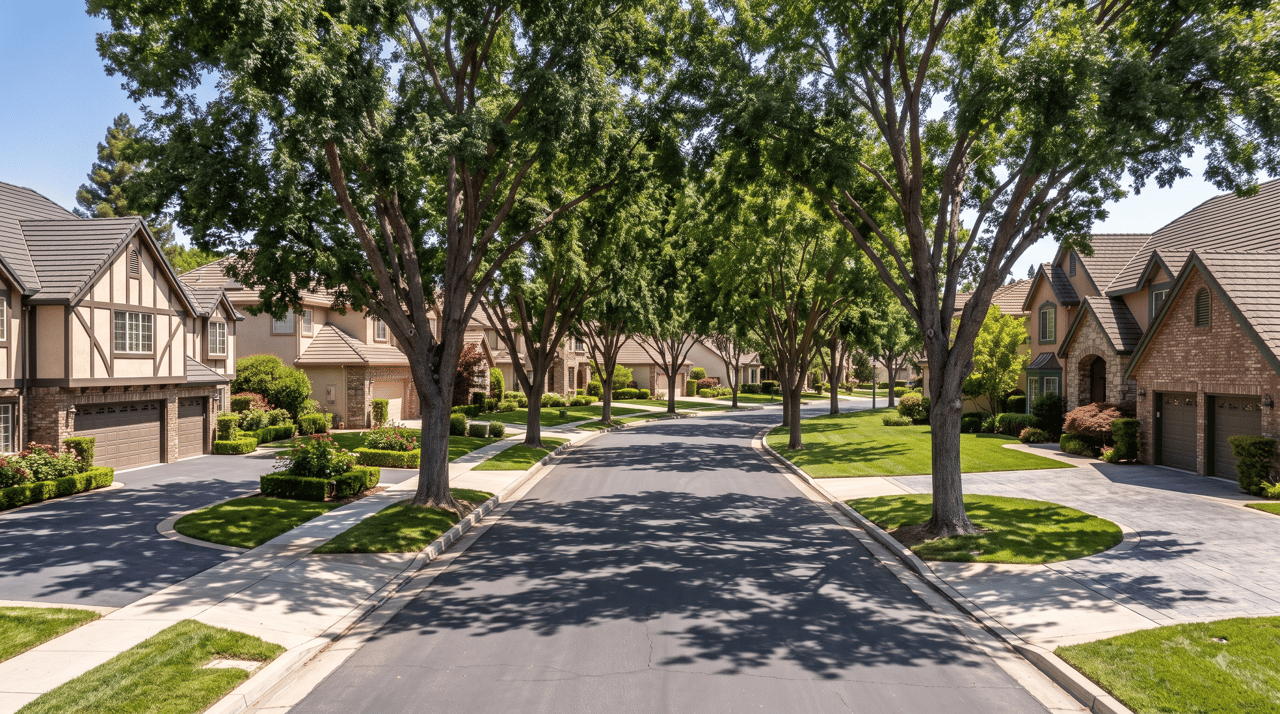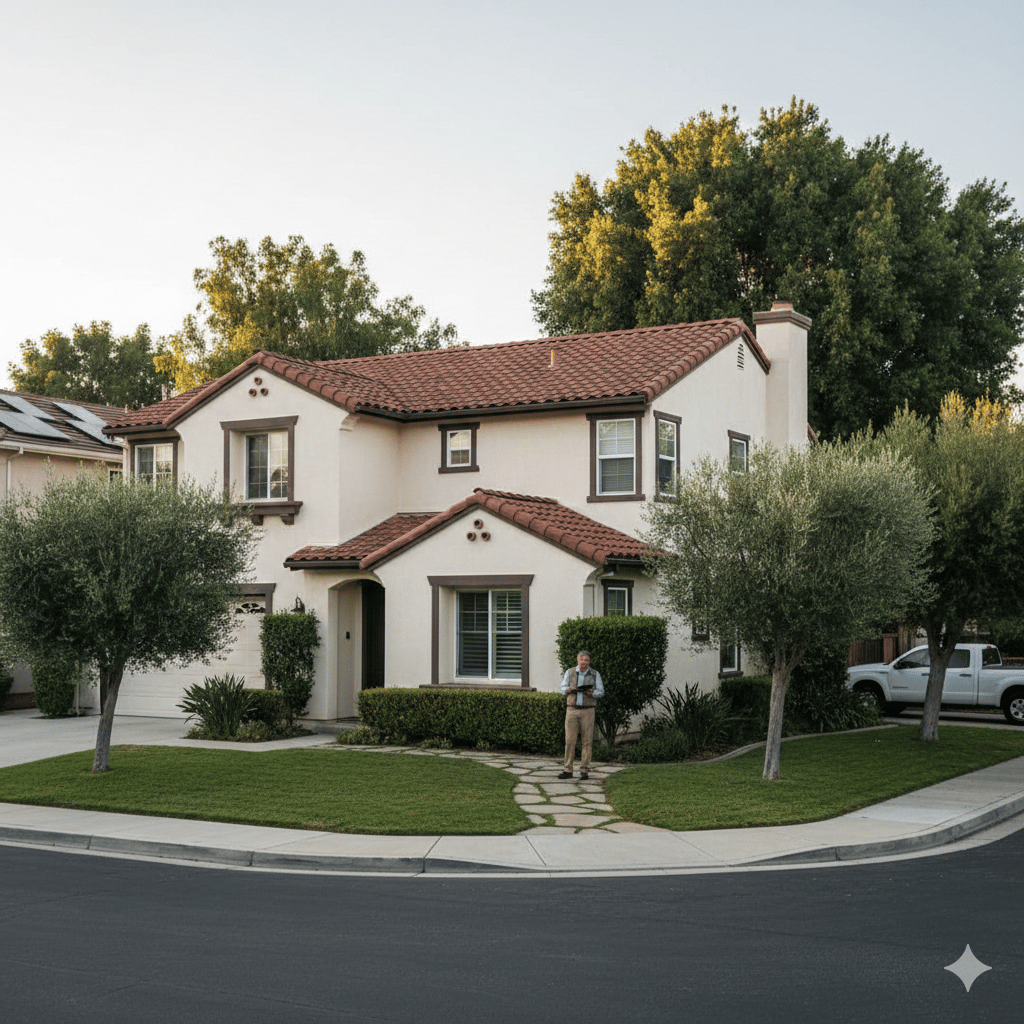
Home inspections are one of the most misunderstood parts of a real estate transaction. In Brentwood and across East Contra Costa County, inspection strategy can significantly affect negotiations, leverage, and long-term risk for both buyers and sellers.
In recent years, pre-listing inspections have become more common. In certain markets, they make sense. In others, they introduce unnecessary risk. The key is understanding when and why they’re appropriate.
Where Pre-Inspections Came From
Pre-listing inspections became popular in extremely hot seller’s markets. In parts of the Bay Area—particularly the South Bay—homes would hit the market, seller disclosures and inspection reports would be made available upfront, and multiple buyers would compete aggressively.
In those situations, buyers were often willing to remove inspection contingencies and submit offers “as-is” in order to win. Sellers would review offers on a set date and select the strongest terms, assuming buyers had all the information they needed to move forward without further inspections.
That approach can work in very competitive, multiple-offer markets where buyers feel pressure to remove contingencies. But it does not automatically translate well to every market or every property.
Disclosure vs. Investigation
It’s important to separate two concepts:
-
A seller’s obligation to disclose known material facts
-
A buyer’s right to investigate a property to their satisfaction
Sellers are required to disclose known issues that materially affect value or desirability. They are not required to “know everything” about their home. That’s why inspections exist.
A pre-listing inspection attempts to bridge that gap by uncovering potential issues before the home is marketed. In theory, this increases transparency. In practice, it can create unintended consequences.
The Structural Issue with Seller-Hired Home Inspections
When a seller hires a general home inspector, the inspection agreement is between the seller and the inspector. The buyer has no contractual relationship with that inspector.
If a buyer closes and later believes the inspector missed something significant, their recourse is not straightforward. They do not have a direct agreement with that inspector. Any claim typically runs through the party who hired the inspector.
When I explain this dynamic to sellers, many prefer a cleaner structure: allow the buyer to hire their own inspector, conduct their own due diligence, and establish their own contractual relationship with that professional.
In that scenario, the seller is not involved in the buyer’s inspection agreement. If something was missed, the relationship—and any potential claim—is between the buyer and their inspector.
From a long-term risk perspective, that separation can matter.
Not All Inspections Are the Same
Roof and pest inspections operate differently.
If a licensed roofer inspects, recommends repairs, and performs the work, they often provide a warranty. A pest or termite company can issue a report, bid repairs, complete them, and offer a clearance backed by their responsibility.
Those inspections involve repair work and guarantees. A general home inspector does not.
In fact, many professional home inspectors are prohibited by association standards from bidding or performing repair work on the properties they inspect. Their role is to observe and report—not fix.
That distinction is important when deciding how to structure inspection strategy before listing.
Why I Often Recommend a Buyer Inspection Contingency
In Brentwood’s current environment, I often advise sellers to allow a buyer inspection contingency—even if the property is being sold “as-is.”
“As-is” does not have to mean “no inspections.” It can mean the seller does not intend to perform repairs, but the buyer is still entitled to investigate and understand what “as-is” truly represents.
A short contingency period allows the buyer to:
-
Hire their own inspector
-
Conduct due diligence to their satisfaction
-
Put any concerns in writing
If issues arise and the seller declines to perform repairs or offer credits, the documentation still demonstrates that the buyer had the opportunity to investigate and made an informed decision.
From a long-term risk management perspective, that transparency can be protective.
The Risk of Eliminating Inspections Entirely
When buyers waive inspection contingencies without performing their own due diligence, disputes are more likely to arise later—especially if unexpected issues surface after closing.
Even when everyone acts in good faith, misunderstandings can happen. A documented inspection process, conducted by the buyer’s chosen professional, creates clarity around what was known, what was requested, and what was ultimately accepted.
In my experience, that clarity reduces conflict.
What Buyers Should Keep in Mind
For buyers, the advice is straightforward: hire your own inspector.
Review seller-provided reports as background information, but understand the limits of relying solely on an inspection ordered by someone else. Your inspector works for you. Your agreement is with them. Your questions are addressed directly to the professional you selected.
That structure gives you both information and accountability.
How I Guide Clients Through Inspection Decisions
There is no universal rule. Pre-inspections can make sense in certain competitive environments. They can also introduce unnecessary complexity in more balanced markets.
My role is to evaluate:
-
Current market conditions in Brentwood
-
The type and condition of the property
-
The seller’s tolerance for risk
-
The buyer’s comfort with uncertainty
Inspection strategy should align with leverage, transparency, and long-term protection—not just speed.
When structured thoughtfully, inspections don’t derail transactions. They clarify them.
If you’re preparing to sell and weighing whether to conduct a pre-listing inspection—or you’re a buyer unsure how to approach contingencies—I’m happy to talk through your specific situation. The right strategy often depends on timing, property condition, and the current Brentwood market.
About the Author
Tom Schieber is a Broker Associate and REALTOR® with more than 20 years of experience and over 500 closed transactions representing more than $425 million in real estate sales across Brentwood and East Contra Costa County. Licensed in California (DRE# 01404116) and affiliated with eXp Realty of California, Tom has guided clients through every type of market — from fast-moving seller's markets to more uncertain, shifting conditions — with a focus on clear information, honest strategy, and decisions that fit each client's actual life circumstances.
Tom specializes in Brentwood, Oakley, Discovery Bay, Antioch, Pittsburg, and Byron, with particular depth in neighborhood-level pricing dynamics, life-transition moves, and the kind of local insight that doesn't show up in market reports.
Have a question about the Brentwood market or your specific situation? Schedule a no-pressure strategy call or call directly at (925) 487-3172.