Can a house sell for less than its 2021 price and still cost the buyer more per month? Yes. Because of today's higher mortgage rates, a buyer purchasing the same home for less than a 2021 buyer paid can still end up with a significantly higher monthly payment.
A Real Conversation I Had Recently
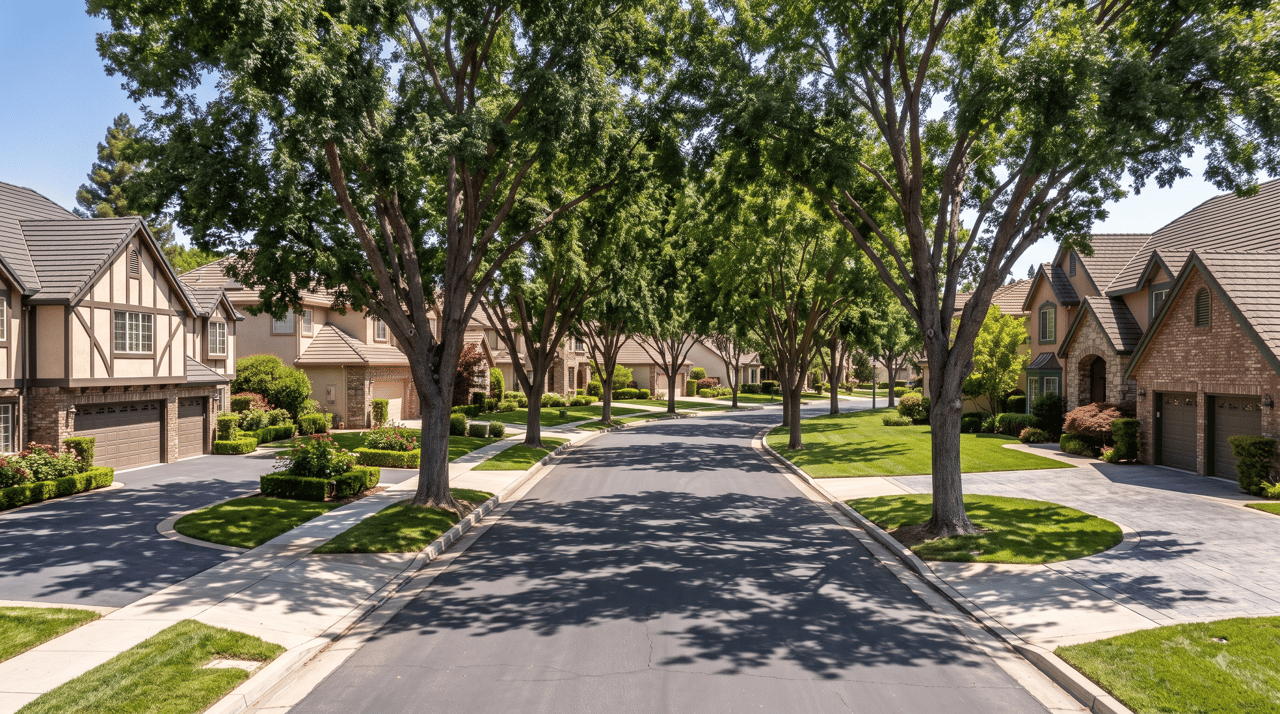
I listed a home in Brentwood in 2021. It was a genuinely special property — fully updated, a tricked-out kitchen and primary bath, a pool, a three-car garage, solar. It listed at $849,950 and drew multiple offers. The winning buyer paid $950,000, put 15% down, and locked in a rate of 2.9%. Their monthly principal and interest payment: about $3,400.
That same seller recently reached out. Life has changed, and it's time to sell. But he was bracing for bad news, worried that listing today — realistically around $900,000, roughly 5% below what he paid — meant he'd made a mistake buying at the top of the market.
Here's what I told him, and then went back to the office and ran the actual numbers to confirm: at today's price of $900,000, with a more typical 20% down payment and a 6.5% rate, the new buyer's monthly principal and interest payment comes to roughly $4,550 — about $1,150 more per month than the 2021 buyer paid, even though the price is lower.
The house didn't get cheaper. It got more expensive to own. The sale price just doesn't tell that story on its own.
Why This Happens: The Rate Lock-In Effect
This isn't unique to one Brentwood listing. It's a defined phenomenon in housing economics, often called the mortgage rate lock-in effect — millions of homeowners refinanced or purchased at rates near 2.65%–3% during 2020 and 2021, and many are reluctant to sell and give up that rate for something closer to 6.5% today.
For context on where rates actually stand, the average 30-year fixed rate has moved from a record low near 2.65% in January 2021 to roughly 6.5% today. That difference sounds abstract until you run it against a real purchase price — which is exactly what surprised my seller.
What This Means If You're Thinking About Selling
If you bought or refinanced between 2020 and 2022, you're likely sitting on a rate well below what's available today. That can make the decision to sell feel like you're giving something up — and in a narrow financial sense, you are. But a few things are worth separating out:
- A lower sale price doesn't mean you overpaid. You paid what the home was worth to you, at a rate that made sense at the time. Today's buyer is paying a different price under different terms — the two aren't directly comparable.
- The buyer's higher payment is part of why your home may take longer to sell, or sell for less than peak pricing. Affordability is genuinely tighter today, and that shows up in price, not just headlines.
- Your next purchase has the same math, in reverse. If you're buying your next home with substantial equity from this sale, a smaller loan amount can offset a higher rate more than people expect. It's worth running your specific numbers before assuming a move is unaffordable.
It's Not Always Just About the Math
Here's the part that's easy to lose in a conversation about rates and payments: moving is rarely a purely financial decision. People sell because life changes — kids grow up and move out, a job relocates, health needs shift, retirement arrives, family needs you closer. Those reasons don't show up in a mortgage calculator, and they shouldn't have to compete with one.
The rate environment is real, and it's worth understanding clearly so you're not blindsided or second-guessing a decision that already makes sense for your life. But it's one input, not the whole answer.
Frequently Asked Questions
What is the mortgage rate lock-in effect? The lock-in effect describes homeowners' reluctance to sell or refinance because doing so means giving up a mortgage rate from 2020–2021 — often in the 2.65%–3% range — for a current rate closer to 6.5%. It's a major reason housing inventory has stayed tight in recent years.
If home prices are coming down, does that mean it's a bad time to sell? Not necessarily. Prices adjusting to reflect today's higher borrowing costs is a market-wide dynamic, not a sign that a specific home or seller made a mistake. What matters most is your own timeline and reasons for moving.
Should I wait to sell until mortgage rates come down? That depends on your situation. Waiting for a lower rate environment is a bet on future market conditions, not a guarantee. If your reasons for moving are tied to your life circumstances rather than the market, it's worth weighing that against the uncertainty of waiting.
What's Next?
If you're sitting on a low rate from a few years ago and wondering what selling now would actually look like — for your payment, your equity, and your next move — let's run your real numbers together. I can walk you through exactly what a sale and purchase would look like in today's market, so you're deciding with clarity instead of guesswork.
Call or text me at (925) 487-3172, or reach out at tomschieberteam.com. Let's talk through what's next.
Tom Schieber | REALTOR® The Tom Schieber Team | eXp Realty (925) 487-3172 | [email protected] tomschieberteam.com DRE #01404116