Real estate transactions rarely happen in a vacuum. Most sellers are also buyers. Most buyers have existing leases, moving timelines, and lives that don't pause cleanly at the close of escrow. And the gap between when a transaction closes and when everyone is actually ready to move is one of the most underestimated friction points in the entire process.
Rent-back agreements — also called post-close occupancy agreements or Seller in Possession arrangements — are one of the most useful tools available for bridging that gap. Used well, they can be the difference between a smooth, coordinated move and a chaotic scramble involving storage units, extended hotel stays, and real financial stress.
Here's what buyers and sellers in the Brentwood area and across East Contra Costa County should understand about how these agreements work, when they make sense, and where they can go wrong.
What Is a Rent-Back Agreement?
A rent-back agreement — formally called a Seller in Possession or SIP agreement in California — is an arrangement where the seller remains in the home for a defined period after the close of escrow, paying the buyer for the right to stay.
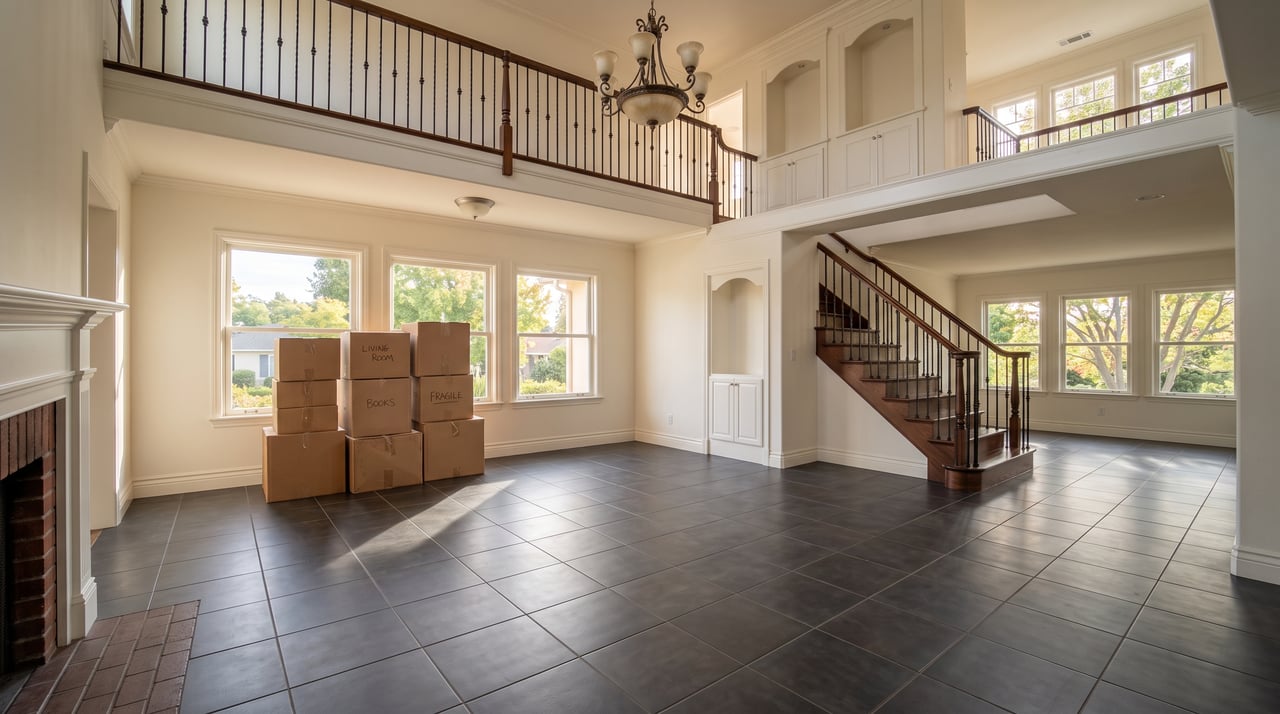
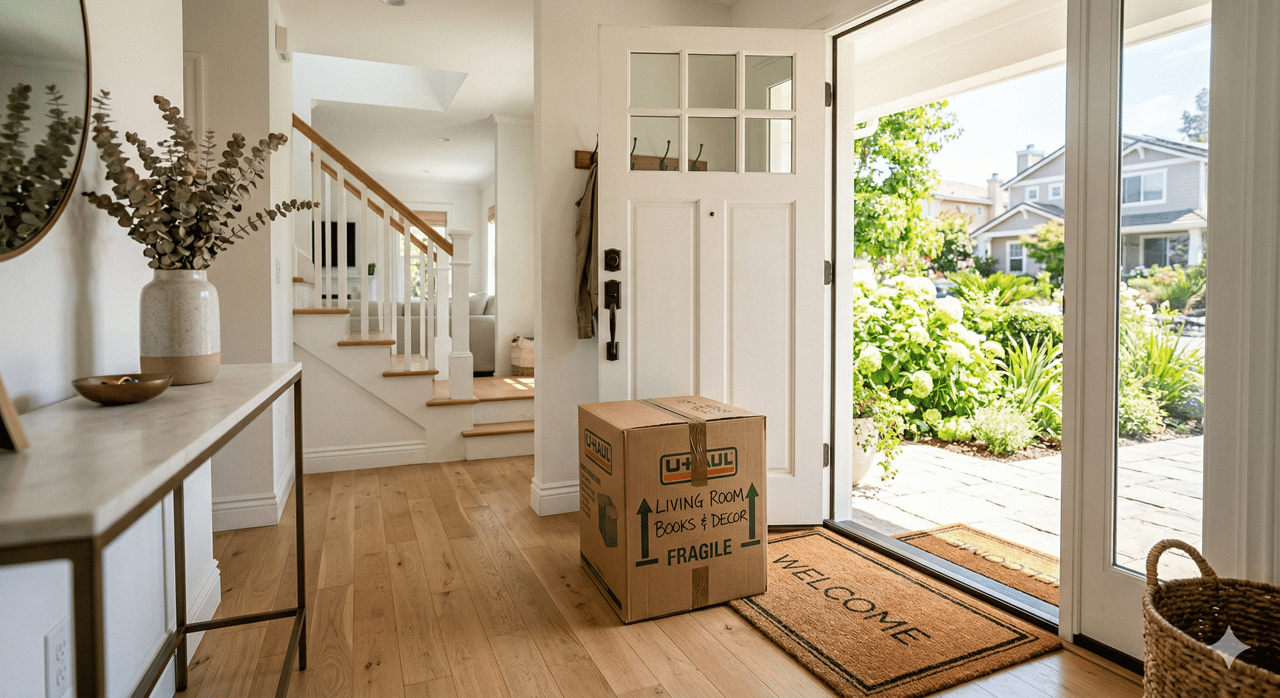
The transaction closes on schedule. Title transfers to the buyer. The proceeds fund to the seller. But instead of handing over the keys at closing, the seller remains in the home as a short-term occupant while they complete their move, close on their next property, or simply manage the transition on a workable timeline.
In California, the mechanics depend heavily on duration. For stays of 29 days or less, the California Association of Realtors provides a straightforward Seller in Possession form — a relatively simple document that covers the daily occupancy rate, the security deposit held by the title company, the move-out date, and the conditions under which the seller agrees to deliver the property.
For stays of 30 days or more, the situation changes significantly. At that point, California law treats the arrangement as a landlord-tenant relationship, complete with all the rights, disclosures, and protections that come with it. This is a meaningfully more complicated arrangement — and one that most agents, buyers, and sellers prefer to avoid. The practical implication is that the vast majority of rent-backs in California are structured to stay under 30 days.
When Rent-Backs Matter Most
In my experience, post-close occupancy comes up in almost every occupied home sale. It's not always necessary, but it's almost always worth discussing — and the best agents raise the question early, before an offer is submitted, because the answer can shape the entire negotiating strategy.
The scenario where a rent-back becomes truly essential is when a seller is using the proceeds from their sale to fund the purchase of their replacement property. This is extremely common among the clients I work with most — people who are downsizing, transitioning to a 55+ community, relocating out of state, or making a life-change move of some kind.
When both transactions are linked financially, timing is everything. If the sale closes but the replacement purchase hasn't yet — or if there's any uncertainty about when it will — a seller without a rent-back can find themselves in a genuinely difficult position: proceeds in hand, keys surrendered, but nowhere to go and no confirmed move-in date on the other end.
The practical consequences of that gap are worse than most people anticipate. Short-term housing costs add up quickly. Moving companies don't hold furniture for free. Storage units are expensive and inconvenient. And the stress of managing a move without a confirmed landing spot is significant — particularly for clients who are already navigating a major life transition.
A well-structured rent-back eliminates that problem entirely. The seller closes, receives their proceeds, uses those proceeds to close on their replacement property, and moves directly from one home to the other on a timeline they control. No gap, no storage costs, no scramble.
The Negotiating Dimension
Here's something worth understanding that goes beyond the mechanics: rent-backs are a negotiating tool, not just a convenience.
In competitive markets, a buyer who offers a free or below-market rent-back to a seller who needs time is offering something with real value — and that value can be the deciding factor when multiple offers are on the table. I've seen well-priced offers lose to lower offers because the winning buyer understood what the seller actually needed and structured their offer accordingly.
The best buyer's agents ask about the seller's timing needs before submitting an offer. The sellers who benefit most are the ones whose listing agent has communicated those needs clearly — or whose agent has thought to use timing flexibility as a marketing point.
The point is that a rent-back isn't just paperwork. In the right situation, it's leverage — and it works in both directions.
A Real Example
I recently closed a transaction where the buyer needed to close a few days ahead of the originally scheduled date. His rate lock was expiring, and closing on the original timeline would have meant losing his interest rate — a meaningful financial consequence.
The seller, on the other hand, had already been clear that he couldn't get his movers coordinated or hand over the property until the end of the month. Those timelines were in direct conflict, and when the rate lock issue surfaced, the transaction briefly felt stuck.
The solution was straightforward once we looked at it clearly: a free, four-day rent-back. The buyer closed early, locked his rate, and saved real money on his mortgage. The seller got the four extra days he needed to manage his move without disruption. Nobody paid anything for those four days — it was a concession the buyer was happy to make in exchange for the rate savings he gained.
What struck me about that situation was that the answer was simple, but nobody else in the room had landed on it yet when the timing conflict surfaced. That's often how rent-backs work in practice — they're not complicated, but they require someone to be thinking about the full picture of what both parties actually need.
What the Rent-Back Costs — and Who Pays
This is where many rent-back conversations break down, and it's worth understanding clearly.
The standard approach in a financed purchase is for the seller to pay the buyer's daily PITI — principal, interest, taxes, and insurance — for each day of the rent-back. This is the customary arrangement because it compensates the buyer for the carrying cost of a property they own but can't yet occupy.
The problem arises when the buyer's PITI is significantly higher than the seller's previous housing cost. A seller who was carrying a $2,800 monthly payment on a paid-down mortgage may be surprised to learn that the buyer's new PITI on a larger loan is $5,500 a month — making the daily rent-back rate nearly $185 per day. For a 29-day rent-back, that's over $5,000. At that point, what felt like a reasonable request becomes a meaningful cost the seller hadn't budgeted for.
The free rent-back is the other end of the spectrum. Sellers love it — and in competitive markets, it's a legitimate and often effective negotiating tool for buyers to deploy. The psychological dynamic worth understanding is that because mortgage payments aren't due until roughly 30 days after closing, a buyer offering a free 29-day rent-back may feel like it cost them nothing. But it did cost them something — a month of interest, taxes, and insurance on a property they couldn't use. That's real money, even if it doesn't feel like it in the moment.
Cash buyers have the most flexibility here, since they're not carrying a mortgage payment. In those cases, the rent-back rate is typically negotiated based on comparable market rent for the property — or whatever number both parties agree is fair.
The practical advice: have the cost conversation early and honestly, on both sides. Surprises in this area have derailed otherwise solid deals.
The Security Deposit and Property Condition
When a seller remains in a home after close, the buyer owns the property but doesn't control it. That creates real exposure — and it's worth taking seriously.
California's SIP form includes a provision for a security deposit, typically held by the title company, which functions similarly to a rental security deposit. If the seller causes damage, fails to maintain the property, or leaves it in materially worse condition than at closing, the buyer has recourse against that deposit.
In practice, most sellers take reasonable care of a property they're temporarily occupying. But not all do. Deferred maintenance, lawn neglect, minor damage during the move-out — these things happen. The deposit provides a layer of protection, but it doesn't eliminate the risk entirely.
The other practical issue is move-out notice. When a rent-back is written as "up to 29 days" — meaning the seller isn't certain exactly when they'll be ready to vacate — the buyer needs enough advance notice to schedule their own move, arrange utility transfers, and plan their occupancy. A well-drafted SIP agreement should include a notice requirement: the seller agrees to give the buyer a specified number of days' notice — typically 7 to 10 days — before vacating. This protects the buyer from being caught flat-footed and gives the seller the flexibility they need without leaving the timeline entirely open-ended.
What Sellers Should Take Away From This
If you're planning to sell your Brentwood home and immediately purchase a replacement property — whether you're downsizing locally, moving to a 55+ community, or relocating out of state — a rent-back agreement should be part of your planning conversation from the beginning, not an afterthought once you're already in escrow.
The questions worth asking your agent early:
- Is a rent-back realistic to request in today's market?
- How should we structure the duration and cost to make it workable for both parties?
- Can the need for post-close occupancy be used as a negotiating point to attract buyers who value a smooth, flexible transaction?
- What does the SIP agreement actually require of us, and what are our obligations during the rent-back period?
A rent-back won't solve every timing challenge in a linked sale-and-purchase transaction. But when it's structured thoughtfully and negotiated honestly, it's one of the most effective tools available for making a complex move feel manageable rather than chaotic.
If you're navigating this kind of transition and want to talk through how it might apply to your situation, I'm always happy to have that conversation.
Schedule a no-pressure strategy call or reach me directly at (925) 487-3172.
About the Author
Tom Schieber is a Broker Associate and REALTOR® (CA DRE# 01404116) with over 20 years of experience, 500+ closed transactions, and more than $425 million in sales across Brentwood and East Contra Costa County. Affiliated with eXp Realty of California, he specializes in helping buyers and sellers make informed, confident decisions during life transitions — with honest, neighborhood-specific guidance that goes beyond what the data alone can tell you.